July 16, 2026
DOL is enforcing again — is your tip pool a violation?
Plus: beef +11.8% YoY, Red Robin trims ~20 stores, and where SBA equipment rates sit.
Morning, Chef — quick one today. A U.S. Department of Labor enforcement action against a North Carolina restaurant — minimum wage and overtime violations, back wages on the table — is a concrete reminder that Wage and Hour audits are real and ongoing. Labor compliance is our lead. Meanwhile, June CPI put beef and veal at +11.8% YoY — your protein line is still climbing. Two things worth your attention.
Quick Bites
Stat: Beef and veal ran +11.8% YoY in June, with uncooked ground beef +12.4% YoY (BLS). Your protein line isn't done climbing.
Hedge: Poultry slipped −1.0% YoY and chicken −0.8% YoY in the same BLS release. A chicken-forward special or protein swap just got cheaper to run against beef.
Watch: Red Robin is now targeting about 20 closures in 2026, down from a 70-location plan. Displaced regulars near those markets are up for grabs for nearby independents.
Stat: Comp sales ran +1.0% while traffic fell −1.1% YoY through early 2026 (BlackBox via Restaurant Business). Price restraint alone isn't fixing the volume problem.
Watch: Advocacy pressure is building on third-party delivery fees — a group of senators asked the FTC to investigate hidden charges. No rule yet, but track it if delivery is a big channel.
Tactic: SBA 7(a) variable rates ran 9.50%–11.75% as of May 2026. For one machine with clear collateral, a conventional equipment loan may come in lower.
Bright spot: Restaurant Business's 2026 top-grossing independents list added 19 new names — sharp concept identity is holding ground as chains consolidate.
📊 By the Numbers
CPI food away from home: +3.4% YoY ▁▁▂▂▃▄▅▅▆▆▇▇ · as of Jun 1, 2026 · BLS via FRED
Restaurant Performance Index (RPI): 99.8 · as of Apr 2026 · National Restaurant Association
Restaurant sales (food services & drinking places): $101.0B (+2.7% YoY) ▁▁▃▃▃▅▄▃▅▅▇▇ · as of May 1, 2026 · US Census via FRED
The DOL audit that starts with your tip pool
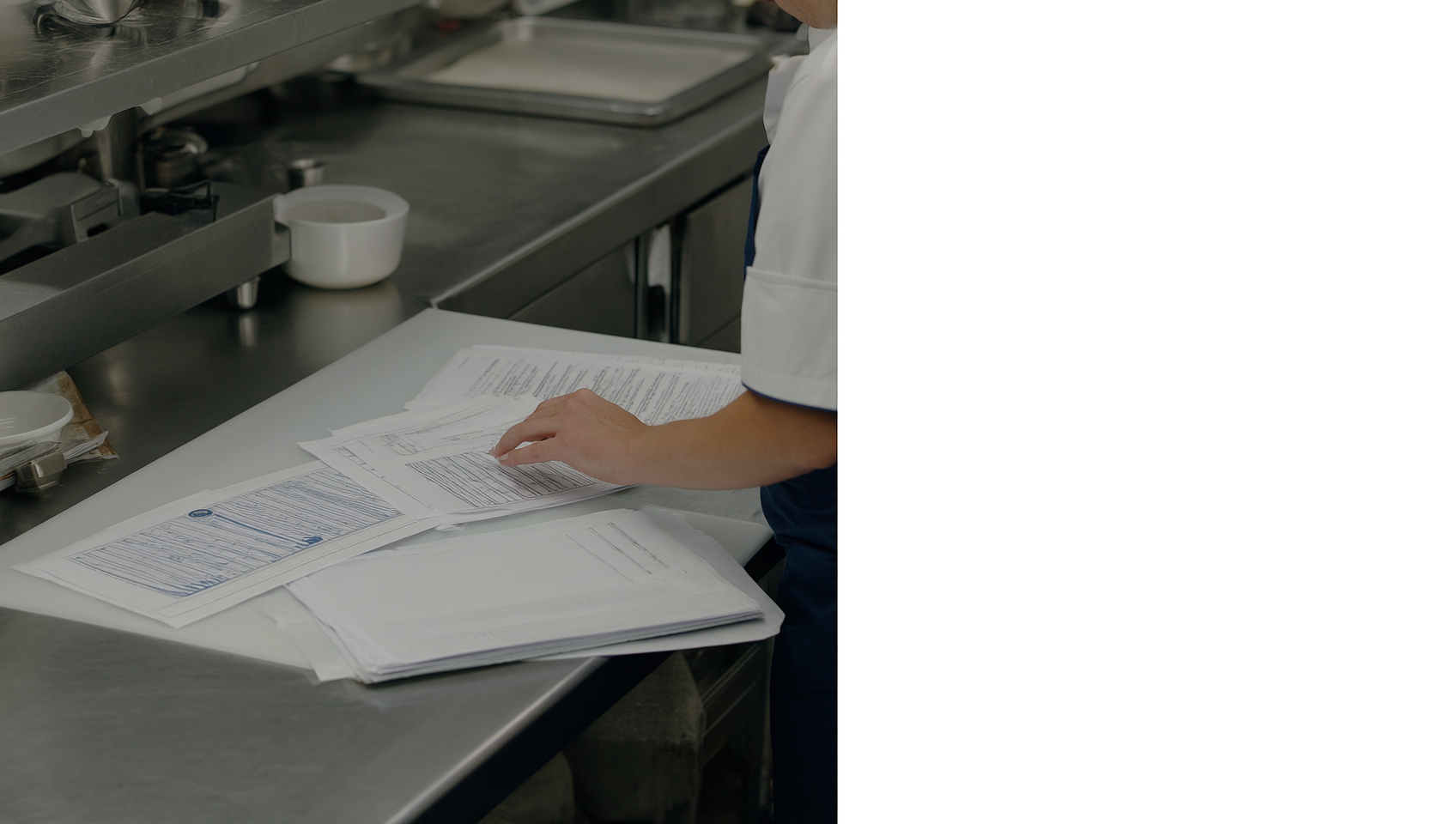
A U.S. Department of Labor enforcement action against a North Carolina restaurant — federal minimum wage and overtime violations, back wages on the table — shows what a Wage and Hour audit actually looks like. This isn't a warning letter. Enforcement is real and ongoing. If your tip pool, your schedule, and your overtime math haven't been checked lately, the exposure is real.
💡 Why it matters: A single Wage and Hour Division audit rarely finds just one problem. Tip pool misclassification, scheduling violations, and overtime errors tend to surface together — and each one stacks its own back wages and penalties on top of the others.
The tip pool trap. The rule turns on one question — do you take the tip credit?
- 🔴 You take the tip credit (paying below full minimum wage, topping up with tips): back-of-house cannot be in the tip pool. No exceptions. Drop a cook in that pool and you've created a violation.
- 🔵 You pay full minimum wage (no tip credit): back-of-house can share the pool.
Pick your lane and document it. Mixing the two is one of the most common WHD findings.
Predictive scheduling is live. Fair Workweek laws are already enforced in NYC, Chicago, LA, and Seattle — advance-notice requirements, with real penalties for last-minute changes. California has no statewide rule, but SF, San Jose, and Emeryville have local ordinances. If you operate there, "I'll text you the schedule tonight" can cost you.
Do this today: 1. Confirm whether you take the tip credit — then check that your pool matches the rule above. 2. If you're in a Fair Workweek city, pull your posted-schedule lead time and compare it to the local requirement. 3. Spot-check one recent week of overtime for anyone who crossed 40 hours across two roles or locations.
Bottom line: the cheapest audit is the one you run on yourself first.
🏆 Best delivery app for a small restaurant trying to cut commission?
For most small independents cutting commission, the move is a two-track setup: list on DoorDash's 15% Basic tier for discovery reach and order accuracy, then push every repeat customer to a commission-free direct platform (Menufy or SWIPEBY) via in-bag inserts and your loyalty touchpoints. If DoorDash's tier pressure becomes a problem, swap the discovery slot to Grubhub Basic at 5% and layer in Grubhub Direct for existing regulars. Uber Eats is a third-platform add only once the first two channels are optimized — its 2026 commission restructure makes it the hardest to control for margin.
💡 Bottom line: If you're paying 25–30% commission and have repeat customers, add a commission-free direct channel immediately; if you're just launching delivery, start on Grubhub's Basic 5% tier for the lowest third-party cost while building that direct base.See all 4 compared →
Five minutes. One sharper operator.
RestaurantOwners.news is the daily read for people who actually run the place — cost moves, labor rules, and margin math, no fluff. This week we're breaking down the third-party delivery apps side by side so you can see where your commission really goes. Forward it to the operator who needs it.
So You Don't Miss a Beat
- BLS: June CPI — beef +11.8% YoY, poultry −0.8%
- DOL: NC restaurant minimum wage & overtime enforcement
- Restaurant Business: traffic still negative despite price restraint
- Yahoo Finance: Red Robin plans ~20 closures in 2026
- Deputy: Fair Workweek & predictive-scheduling guide
- SurePayroll: tip pool rules for tipped staff
- NorEast Capital: SBA 7(a) vs. conventional equipment financing
- Salisbury Post: operators buy equipment after Marlow's BBQ closes
Operator Pulse
Which labor-compliance gap keeps you up at night right now? One tap.
Useful Today?
Who We Are
RestaurantOwners.news helps independent operators get smarter about running the place in about five minutes a day — cost, labor, margin, and the rules that hit your P&L. Written by operators, for operators.
RestaurantOwners.news is a marketplace, not a lender. Sponsor and vendor content is always labeled.