July 14, 2026
DOL just rolled back overtime rules — protect your payroll before the audit
Plus: lock in your lease before the landlord names a number, and pick a POS without the tablet chaos.
Morning, Chef — one DOL investigator walked into an Austin restaurant and left with a $63,645 bill for 8 workers' unpaid overtime. Today: what the 2026 overtime rollback means for your payroll, how to negotiate your lease before the landlord names a number, and picking a POS without the tablet chaos.
Quick Bites
Stat: USDA ERS forecasts 3.2% food price inflation for all of 2026 — factor it into Q3 menu costing before it hits your margin. Full context Watch: FSIS issued a public health alert on raw boneless beef (Jun 25) — cross-check your current protein invoices against the recall list today. Stat: USDA AMS: wholesale loose eggs reached $0.70/doz this week, up $0.18/doz week-over-week — egg-heavy menus should reprice or tighten portion specs. Source Tool: 7shifts and Deputy both offer free scheduling tiers built for shift-based teams — compare before renewing a paid subscription. Read: NRA forecasts $1.55T in U.S. restaurant sales for 2026 — Toast compiled 60 benchmarks to check your own performance against.
📊 By the Numbers
CPI food away from home: +3.5% YoY ▁▂▂▃▃▄▅▅▆▆▆▇ · as of May 1, 2026 · BLS via FRED
PPI food wholesaling: 162.203 (+3.3% YoY) ▁▂▁▆▄▃▃▄▇▃▂▅ · as of May 1, 2026 · BLS via FRED
Restaurant employment growth (YoY): +1.0% YoY ▁▂▃▄▄▄▅▄▅▆▇▄ · as of Jun 1, 2026 · BLS CES via FRED
The 2026 overtime rollback just reset how you pay salaried managers
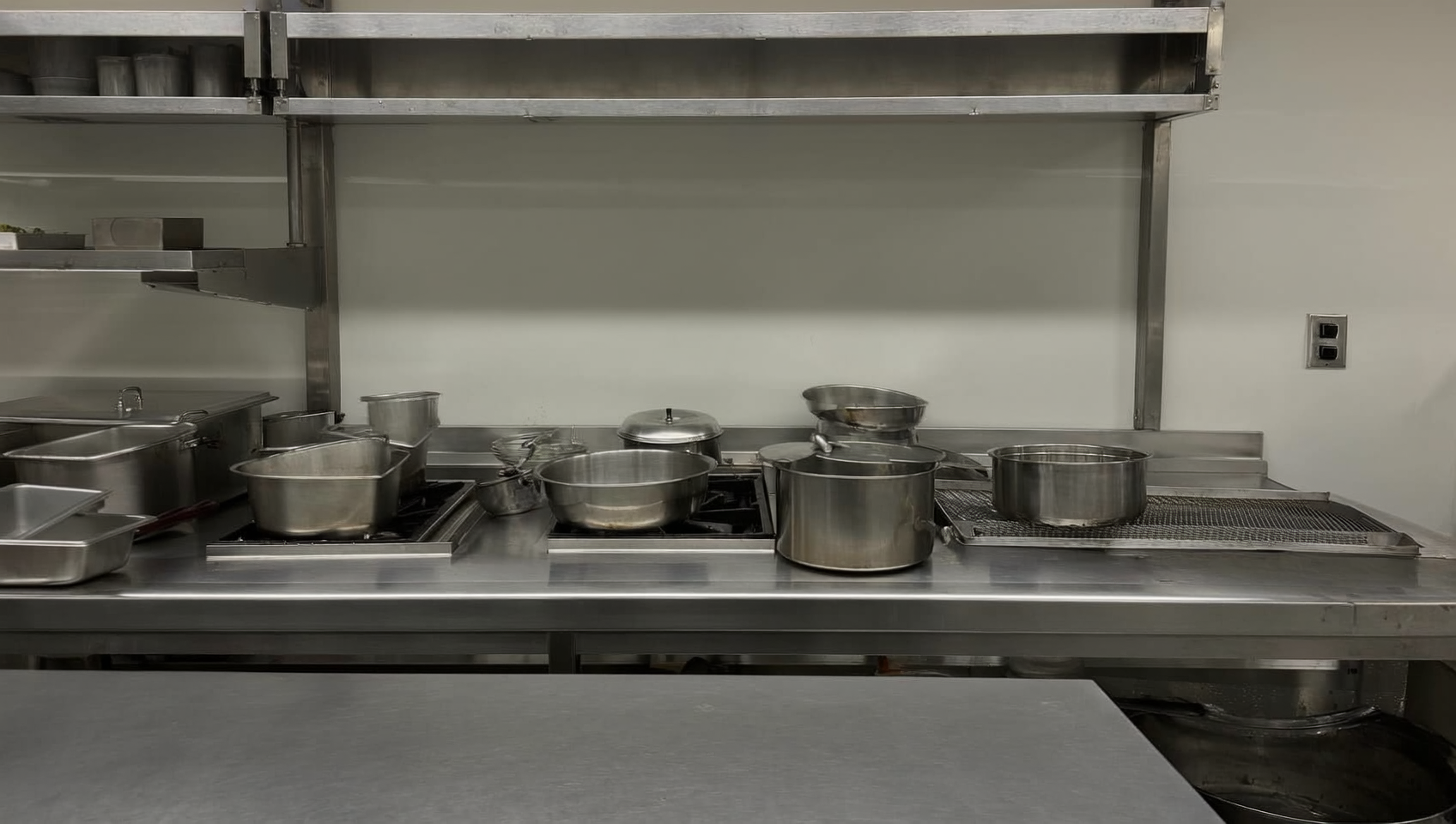
A quiet DOL technical amendment wiped out the 2024 overtime salary thresholds and snapped the white-collar exemption back to 2019 levels — and enforcement is live right now. In one recent investigation, the DOL recovered $63,645 for 8 Austin restaurant workers denied overtime. That is a five-figure bill from a single visit.
What moved, and why it hits your payroll:
- 🔴 Old (2024) threshold: a higher salary floor meant fewer managers qualified as exempt.
- 🔵 New (2019) standard: the lower floor is back, so managers you reclassified may sit on the wrong side of the line again.
- Tipped-overtime math still bites: overtime on tipped wages is figured on the full minimum wage, not the reduced cash wage — miscalculate it and back-wages stack fast.
💡 Why it matters: The reset does not just change a number — it changes who is exempt. Misclassify a salaried manager or botch tipped-overtime math and you can owe five figures in back wages before an investigator ever knocks.
Do this today: 1. Test every salaried manager's pay against the restored 2019 exemption standard. 2. Recalculate tipped-employee overtime on the full minimum wage, not the cash wage. 3. If commissions top 50% of an employee's total pay, ask a wage-and-hour attorney whether the FLSA §7(i) exemption applies — it is fact-specific.
Verify the current rules straight from the source before you change a paycheck: DOL Wage and Hour news releases. Background reading: Workplace Fairness 2026 overtime guide and FLSA §7(i) tip context.
Negotiate your lease renewal before the landlord sends the first number

Protein costs are bouncing and wholesale eggs just ticked up again — and unlike food, your occupancy cost is the one P&L line you can actually lock in for years. So open the lease conversation before your landlord does. Start 9–12 months before expiry; wait longer and you hand away your leverage.
1. Know your occupancy ratio. Add rent, CAM, taxes, and insurance, then divide by sales. The healthy rule-of-thumb range is 6–10%. Land inside it and you can credibly hold the line. 2. Get comps through a tenant-rep broker. The landlord typically pays the broker's fee, so market intel costs you nothing. 3. Put your asks in writing: a cap on annual CAM increases, a tenant-improvement allowance, option years at defined rents, and removal of any percentage-rent clause. 4. Counter a high opener with blend-and-extend. Trade a longer term for stepped, capped increases instead of one steep jump.
Worked example: say you pay $10,000 in monthly occupancy on $140,000 in monthly sales. That is a 7.1% occupancy ratio — squarely inside the healthy band. Walk into the renewal leading with that number and you are not asking for a favor; you are showing a tenant who pays, performs, and knows the math. That ratio becomes the anchor for every counter that follows.
How a burger spot raised prices 12% — and barely lost a guest

USDA ERS is forecasting 3.2% food inflation for 2026, and beef is leading the climb — which makes one operator's pricing move worth stealing right now. This is a composite drawn from operators we have talked to, but the pattern is real.
A burger spot had not touched its prices in two years while beef crept up quarter after quarter. Margin was quietly bleeding out. The owner's first instinct was a blanket bump — the fastest way to spook the regulars.
Instead, they repriced by contribution margin. They ranked the menu by the dollars each item drops to the bottom line, raised the four highest-CM items 12%, and held the signature anchor burger — the one guests price-check everything against — flat. The menu got a quiet redesign too: no dollar signs, prices unaligned down the page, and a deliberately pricey decoy that made the mid-tier options feel reasonable.
The result: guest counts dipped under 2%, the blended check climbed, and the shop picked up roughly 3 margin points without a fight.
💡 Steal this: Rank your top items by contribution margin — not price, not popularity. Raise the 3–5 highest-CM items and freeze the anchor guests use to judge you.
Know your cash position before the slow season does
Slow seasons do not announce themselves, but your numbers will if you look early. Our free 90-Day Cash-Flow Calculator lets you stress-test your cash position against a soft stretch before it arrives, so a lean month does not become a scramble. Plug in your real figures and see exactly where the gaps open up. Run it this week and fix the shortfall while you still have room to move.
So You Don't Miss a Beat
Seven things worth a click before the lunch rush buries you:
1. FSIS Recalls & Public Health Alerts — The Jun 25 raw boneless beef alert may still affect your current protein stock. Bookmark it and check weekly. 2. USDA AMS Egg Markets Overview — Jul 10 — Current wholesale egg pricing straight from USDA; validate what your distributor is charging. 3. Grocery Stores Lower Prices as Consumers Cut Spending — Why grocery softness does not fully pass through to your food costs (NYT, Jul 9). 4. Restaurant Food Cost Benchmarks 2026: 28–35% — A quick reference to check whether your food cost % is in line before your next P&L review. 5. 10 Best Free Employee Scheduling Software of 2026 — See if you are paying for scheduling software you could get free. 6. Best Restaurant POS Systems 2026: Avoiding Tablet Chaos — How an integrated POS ends the multi-tablet nightmare across DoorDash, Uber Eats, and Grubhub. 7. Labor Worker Rights and Overtime Pay: 2026 Guide — Plain-language walkthrough of the 2026 overtime threshold rollback (vendor source; verify rules at dol.gov).
Operator Pulse
Which pressure is squeezing your P&L hardest right now? One tap:
Useful Today?
Who We Are
RestaurantOwners.news is the daily brief for independent operators — the owners, food-truck runners, caterers, and GMs who work the line themselves. We cut the noise so you can get smarter about running your restaurant. Written by operators, for operators.
RestaurantOwners.news is a marketplace, not a lender. Sponsor and vendor content is always labeled.