July 10, 2026
The $1.55T 'record' won't hit your bank account
Real growth is barely 1.3% — where your margin actually lives, a 140%→40% turnover fix, and commission-free ordering in a week.
Morning, Chef — the industry is on track to top $1.55 trillion in sales this year, and most of that "growth" is inflation, not more guests. Real growth pencils out near 1.3%. So the top line looks like a record while your P&L feels like a grind. Today: where your margin actually lives, a kitchen that cut turnover from 140% to 40%, and a one-week way to keep more of every delivery dollar.
Quick Bites
Labor: DOL clawed back $57K from a Brookhaven restaurant and $140K from two Londonderry/Concord pizza shops — both cases turned on missing tip-credit and driver-mileage records (dol.gov).
Watch: The Langhorne Hotel in Bucks County is closing after 54 years — aging owners, no succession that pencils; put your own exit math on paper before it's an emergency.
Read: USDA/FSIS published Q2 enforcement tables July 8 — scan for new supplier suspensions or recalls before your next big order.
Stat: A delivery-platform antitrust suit alleges commissions of 13.5–40% plus price-parity rules — unconfirmed for now, but a good week to document your net delivery margin.
Tactic: Travelers want local, signature dishes on the road (NRA, July 7) — if you're near a tourist corridor, lead your menu with the hyper-local story (restaurant.org).
📊 By the Numbers
CPI food away from home: +3.5% YoY ▁▂▂▃▃▄▅▅▆▆▆▇ · as of May 1, 2026 · BLS via FRED
Restaurant Performance Index (RPI): 99.8 · as of Apr 2026 · National Restaurant Association
Restaurant sales (food services & drinking places): $101.0B (+2.7% YoY) ▁▁▃▃▃▅▄▃▅▅▇▇ · as of May 1, 2026 · US Census via FRED
The $1.55T sales 'record' won't land in your bank account

The industry is projected to top $1.55 trillion in sales this year — but strip out inflation and real growth is only about 1.3%. The record is mostly higher prices, not more covers.
Why it hits your margin:
- Costs stay unpredictable. BofA flags tariff uncertainty and stagflation risk running through 2026, so input and financing costs won't settle down for you (BofA).
- Volume won't bail you out. At ~1.3% real growth, you can't out-sell the squeeze (joshkopel.com).
- Food costs bite unevenly. 40% of operators reported significant food-cost jumps in Q3 2025 vs. the prior quarter (KATV) — the pressure is real even where posted prices barely moved.
💡 Why it matters: A revenue "record" that's really inflation means your only durable margin levers are yours — pricing, mix, and labor — not waiting for costs to fall.
The one real tailwind: travelers want to dine out, and they specifically want local, signature dishes (NRA, July 7).
Do this today: 1. Rename your top three plates around local sourcing or a signature story — travelers pay for it. 2. Build a seasonal special from what's cheap and local this month, priced to protect your margin. 3. Aim summer marketing at channels you own, so the extra covers don't arrive at a 30% commission.
The kitchen that dropped turnover from 140% to 40% in a year
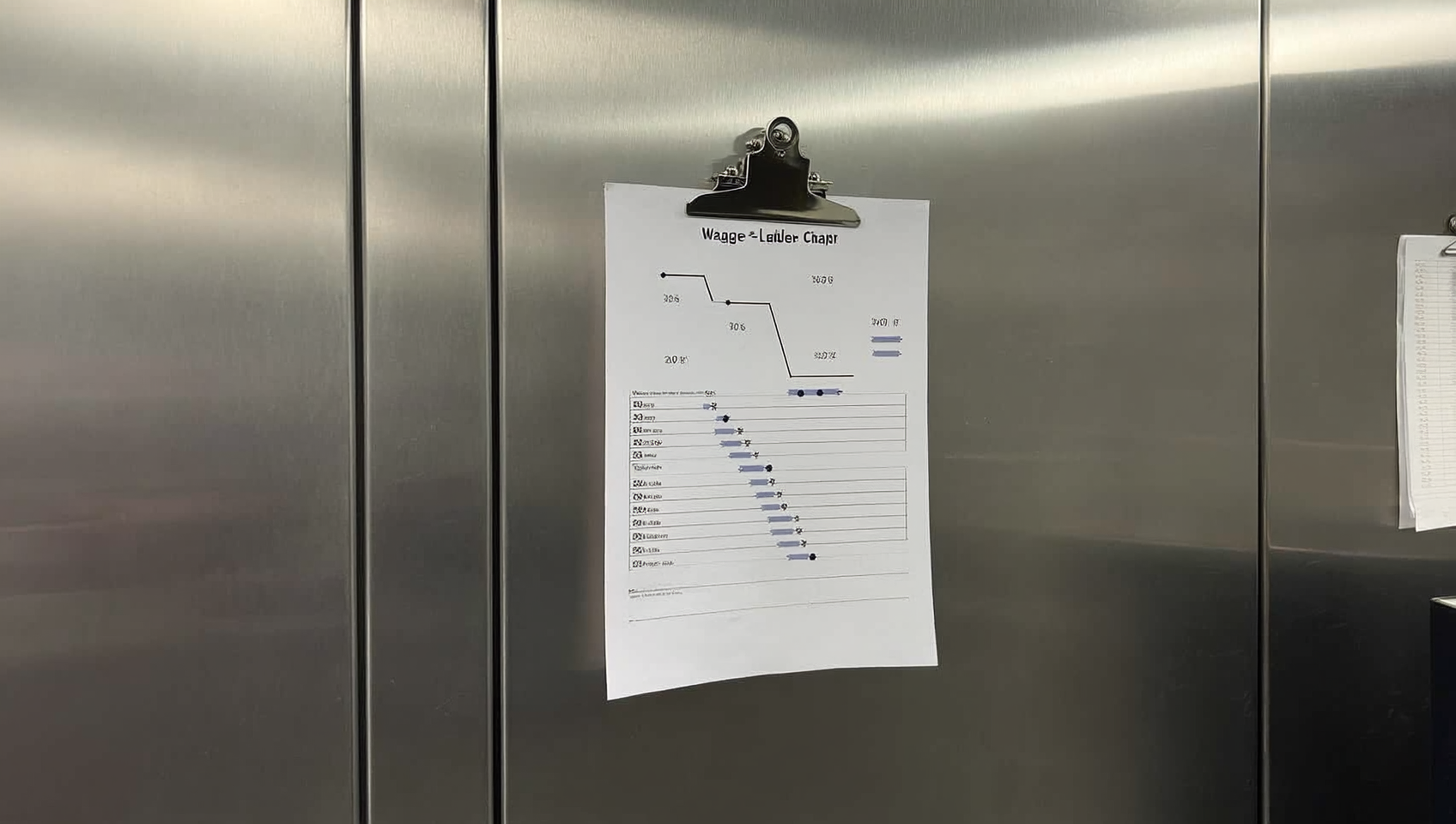
Labor is one of the biggest lines in this year's profitability squeeze — the same squeeze hiding inside that $1.55T "record" — which means the fastest margin many kitchens can find is the turnover they stop paying for.
Take a composite scratch kitchen (details combined from real operators) that churned line cooks at 140% a year. Every exit meant re-hiring, re-training, and covering shifts on overtime — a tax that never showed as one line but bled the P&L every month. Leisure and hospitality already posts some of the highest quit rates of any industry (BLS).
The turning point wasn't a big raise. The chef built a structured onboarding week and a transparent wage ladder — $16 to $22, by station — that a cook could see on one printed page. Every new hire got a 30/60/90-day plan plus a stay interview at each mark: "What would make you leave?"
Within a year, turnover fell to about 40%, and the overtime spent covering open shifts dropped sharply.
The replicable move: put the wage ladder on one printed page. When a cook can see the path from $16 to $22 without asking, they stop treating your kitchen as a stopover and start treating it as a career.
Stand up commission-free first-party online ordering in one week
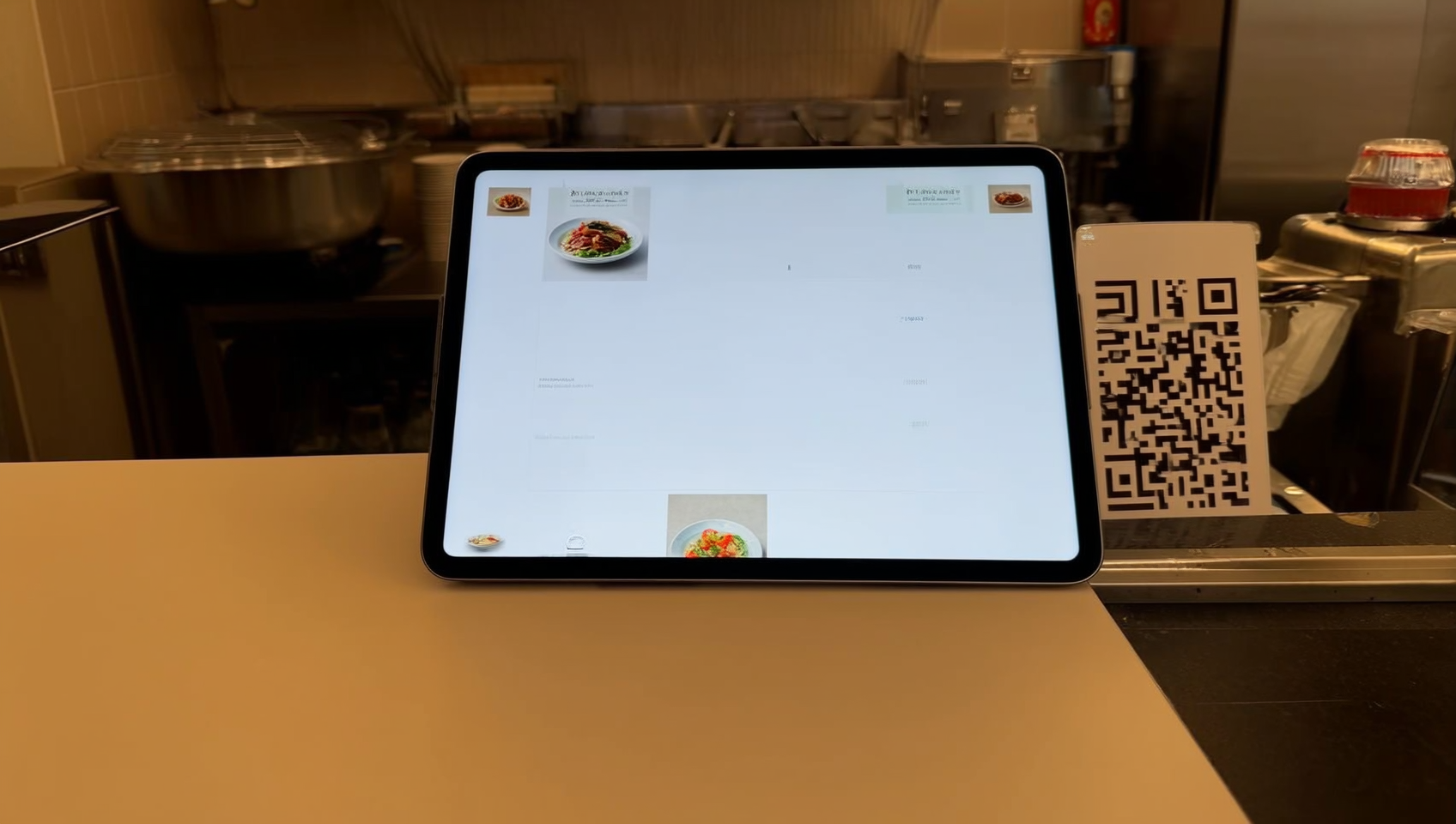
A pending antitrust suit alleges delivery commissions of 13.5–40% and price-parity rules that box you in — allegations still unresolved, but the cheapest "raise" you can give yourself this week doesn't wait for a ruling.
1. Days 1–2 — Pick the platform. Toast Online Ordering bundles with Toast plans; Square Online has a free tier plus roughly 2.9% + $0.30 processing; subscription players like Owner.com and Popmenu charge flat fees instead of a per-order cut. 2. Day 3 — Load the menu with photos and correct modifiers; bad modifiers kill direct orders faster than price does. 3. Day 4 — Redirect Google. Point your Google Business Profile "Order" button at your own site, not an aggregator. 4. Day 5 — Print the funnel. QR table tents and bag stuffers with a direct-order incentive. 5. Days 6–7 — Soft-launch to your email and SMS list before anyone else.
The math: on a $40 order, ~3% processing costs $1.20 versus $12 at a 30% marketplace tier — roughly $10.80 kept on every order.
Financing a kitchen buildout: what $180K in equipment actually looks like
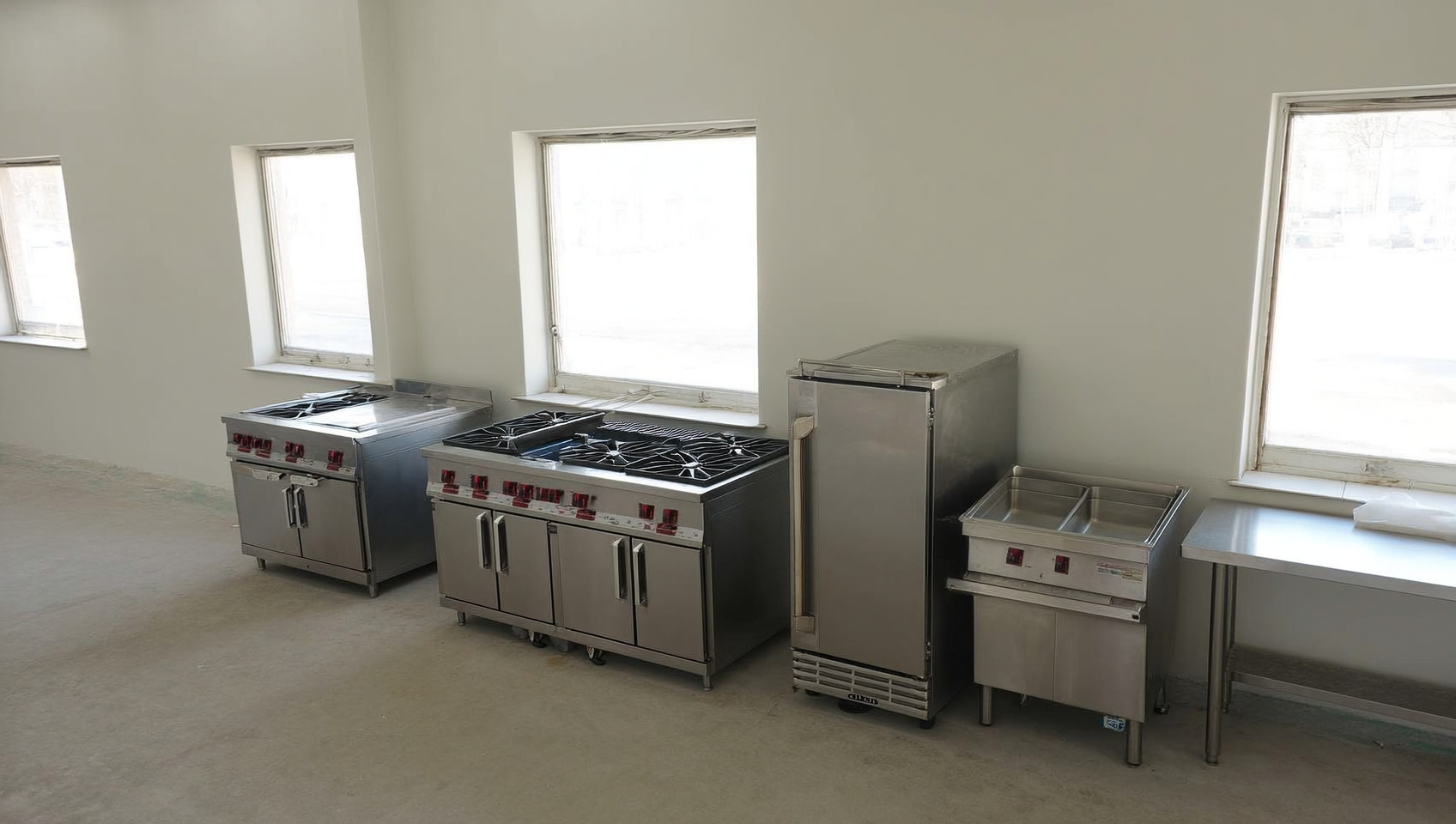
An operator on r/loansforsmallbusiness this week is weighing financing on a $180K kitchen equipment package — the exact buildout question that decides whether a new line makes money or eats it. The choice usually comes down to two loan types:
🔴 Working capital loan
- Funds fast and covers everything — equipment, install, permits, even opening payroll.
- Shorter terms and higher cost; you're paying for speed and flexibility.
🔵 Equipment loan
- The gear itself is collateral, so rates and terms usually beat working capital.
- Slower to close, and it only pays for the equipment — not the soft costs around it.
- SBA-backed options can stretch terms; check current programs at sba.gov before you sign.
Plenty of operators split it — an equipment loan on the $180K of hard assets, a smaller working-capital line for the soft costs (smallbusinessloans.com).
Bottom line: weigh the total cost of borrowing against the extra covers the new line will actually turn — a buildout only pays if the payment fits the sales it creates.
Get the operator's edge, every morning
The best operators aren't smarter — they're better informed, faster. RestaurantOwners.news is the daily brief for people who actually run the place: margins, labor, tech, and regulation, decoded into moves that hit your P&L. No fluff, no jargon, no trade-mag filler. Read it with your first coffee, then get back on the line. Forward it to a GM who needs it.
So You Don't Miss a Beat
- Josh Kopel: The future of independent restaurant profitability — Deep dive on the $1.55T headline vs. ~1.3% real-growth gap (vendor synthesis of NRA data).
- BofA: 2025 State of the Restaurant Industry — Where tariff uncertainty and stagflation risk sit heading through 2026.
- Arkansas cost-squeeze snapshot (KATV) — 40% of operators flagged significant food-cost jumps in Q3 2025 (social-tier signal).
- NC June health-inspection roundup — All 20 graded A; a useful look at what routine violations actually are.
- State minimum wage quick-reference — Handy vendor chart; for authoritative rates go to dol.gov or your state labor department.
- DOL wage & enforcement hub — Primary source for FLSA, tip credit, and back-wage cases.
- Real operator $180K buildout Q&A (Reddit) — How one owner is thinking through equipment financing (forum-tier).
- Restaurant loan types, explained — Overview of working capital, equipment, and SBA options.
Operator Pulse
What's squeezing your margins hardest right now? One tap — we'll share the results in a coming edition.
Useful Today?
Who We Are
RestaurantOwners.news is the daily brief for independent restaurant owners, food-truck and catering operators, small franchisees, and the GMs who run the floor. We turn margins, labor, technology, and regulation into moves you can make before your next shift. Operator-first, always — written by people who know what a bad walk-in week costs.
RestaurantOwners.news is a marketplace, not a lender. Sponsor and vendor content is always labeled.