July 9, 2026
Beef +14.7%, tomatoes +40% — and guests are pulling back
Attack cost before price. Plus: your labor % in four levers, and which loyalty setup actually earns its keep.
Morning, Chef. Your food invoices keep climbing, but your guests are getting choosier — and menu-price growth is projected to cool to just 3–4% this year, so you can't simply pass it through. Today's the day to defend margin from the cost side.
Quick Bites
Steal this: Add a "market price" line to your 1–2 most volatile items so a supplier spike stops eating a fixed price. Stat: DoorDash's Q2 read shows guests trading down, not vanishing — protect your value-tier items. Labor: Overtime still triggers at 40 hours a week — audit anyone near the line before you post the schedule. Tool: 7shifts projects overtime and labor cost before you approve a shift — worth a look if you still eyeball hours. Tactic: Make walk-in counts a daily habit this week — spoilage is the cheapest food cost to cut.
📊 By the Numbers
CPI food away from home: +3.5% YoY ▁▂▂▃▃▄▅▅▆▆▆▇ · as of May 1, 2026 · BLS via FRED
Restaurant employment growth (YoY): +1.0% YoY ▁▂▃▄▄▄▅▄▅▆▇▄ · as of Jun 1, 2026 · BLS CES via FRED
Restaurant Performance Index (RPI): 99.8 · as of Apr 2026 · National Restaurant Association
Beef and tomatoes are climbing while guests push back on price
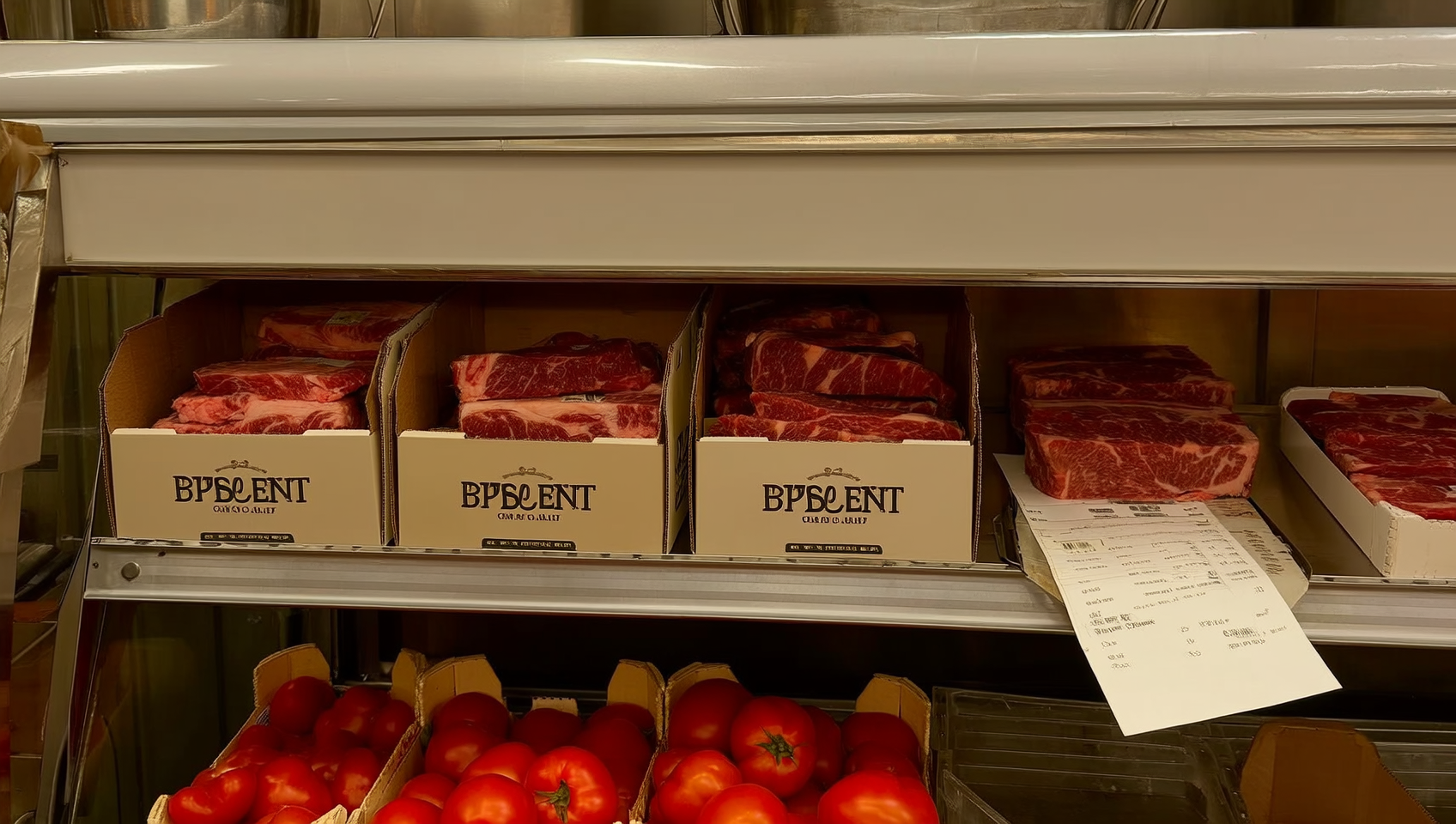
Beef is up 14.7% YoY and tomatoes are up 40% YoY — and this is the week your guests start resisting a higher check.
CoBank's July read is the squeeze in one line: input costs keep climbing while consumer spending shows its first real cracks. You're getting hit on both ends.
Why it hits your margin:
- Beef, up 14.7% YoY. Tight supply plus stubborn demand — reprice or reportion your beef-heavy items before the next order lands.
- Tomatoes, up 40% YoY. Duties plus weather. Treat volatile produce as market-price, not fixed-menu.
- Menu hikes are supposed to ease to 3–4%. The USDA outlook says you can't price your way out — so the fix has to come from cost and mix.
- Spending is cracking. CoBank flags the first real pullback in consumer purchases — a price jump now risks the whole visit, not just the check.
💡 Why it matters: The gap between what you pay suppliers and what guests will pay is your entire margin. The NRA's Economic Indicators track that spread — when it widens, you feel it before the P&L prints.
Bottom line: attack cost and portion before price. Read CoBank's breakdown and pick the two items eating the most margin this week.
Your labor % has four levers — here's the math
With food costs eating deeper into your margin this week, labor is the one big cost you can still move today — if you know which lever you're pulling.
Start with the formula: labor % = total labor cost ÷ total sales. Full-service kitchens run roughly 28–35% of sales, so anything above that is a flag.
Run the numbers. At $100,000 in monthly sales with $33,000 in labor, you're at a 33% labor ratio. Now trim 30 scheduled hours a week at an $18 average rate: that's $540 a week, or $2,340 a month. New labor cost: $30,660 — a 30.7% ratio. You just gained 2.3 points with zero price change.
Four levers move that number: wage rate, hours scheduled, sales/productivity, and overtime.
The trap: cut hours during a rush and you tank service and sales — the ratio climbs right back because the denominator shrinks with it.
The right approach: attack productivity and scheduling accuracy first. Kill the dead 30 minutes at open and the over-staffed Tuesday, not the Friday dinner push. Track it against the NRA's benchmarks.
Loyalty platform vs. punch card: which earns its keep
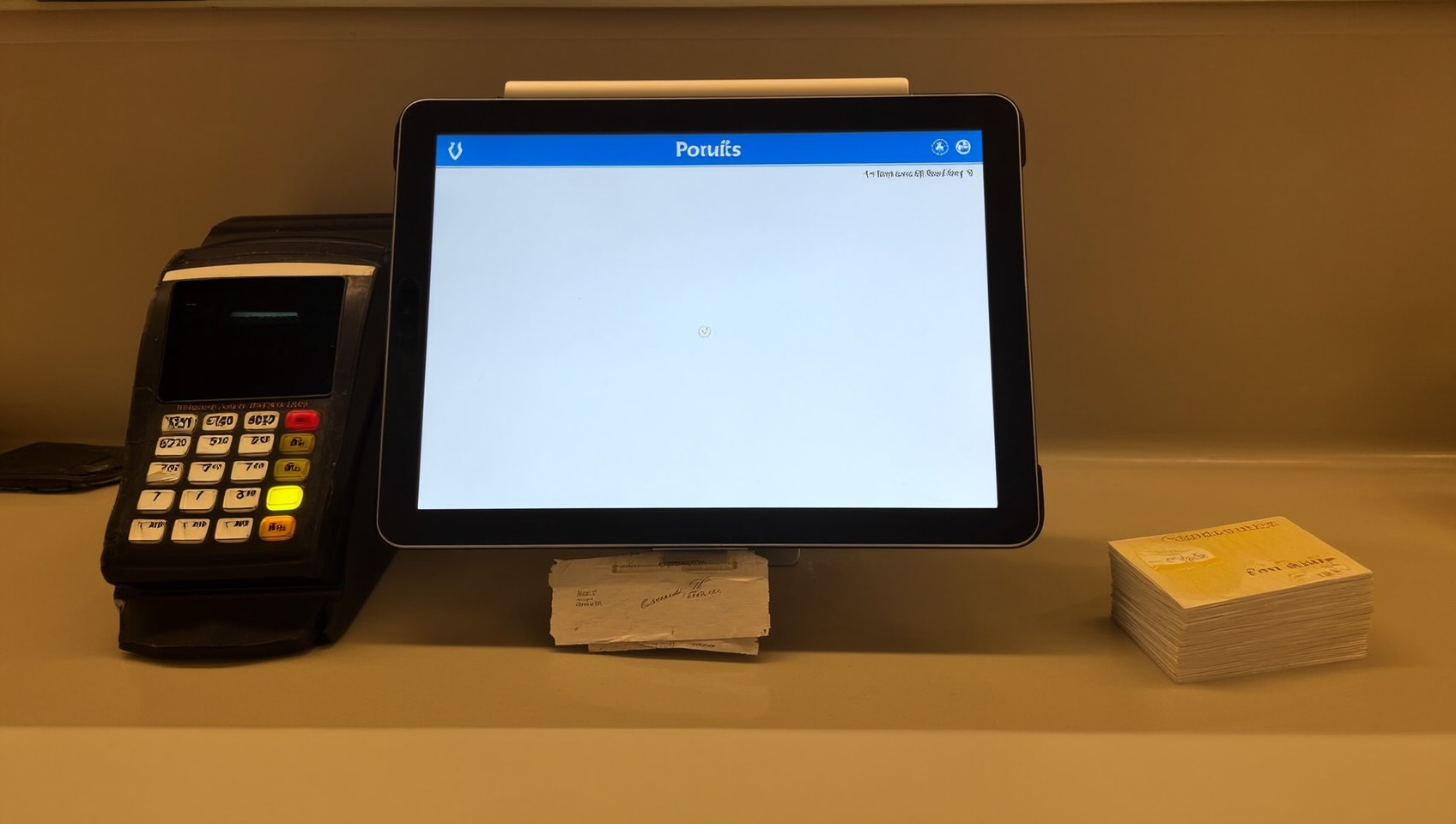
With guests tightening up, your repeat-visit rate is the cheapest sales you've got — which makes your loyalty setup a margin decision, not a nice-to-have.
Three tiers, honest trade-offs:
- 🔴 Paper punch card. Costs nothing and needs no tech. But it captures zero contact data — you can't win a lapsed regular back because you don't know who they are.
- 🔵 POS-native loyalty. Toast Loyalty and Square Loyalty run about $45+/mo, scaling with loyalty visits (POS USA's 2026 Toast review). Points tie to the check automatically, no new hardware — the cheapest real data capture you'll find.
- 🔵 Standalone CRM (Marsello, Thanx, Como). A few hundred a month depending on contacts and features. Adds SMS/email automation and segmentation — the win-back and birthday campaigns that actually move revenue.
The decision rule is repeat-visit rate. A native add-on covers you until repeat guests are a real share of traffic; a full CRM only pays off once you're feeding it enough regulars to segment.
Pick this if:
- Punch card: you're pre-POS or testing whether loyalty moves anything at all.
- POS-native: you run Toast or Square and repeat visits are already healthy.
- Standalone CRM: roughly 30%+ of visits come from repeat guests and you're ready to run automated win-back.
A dead walk-in can become a $10,000 decision — budget for it now
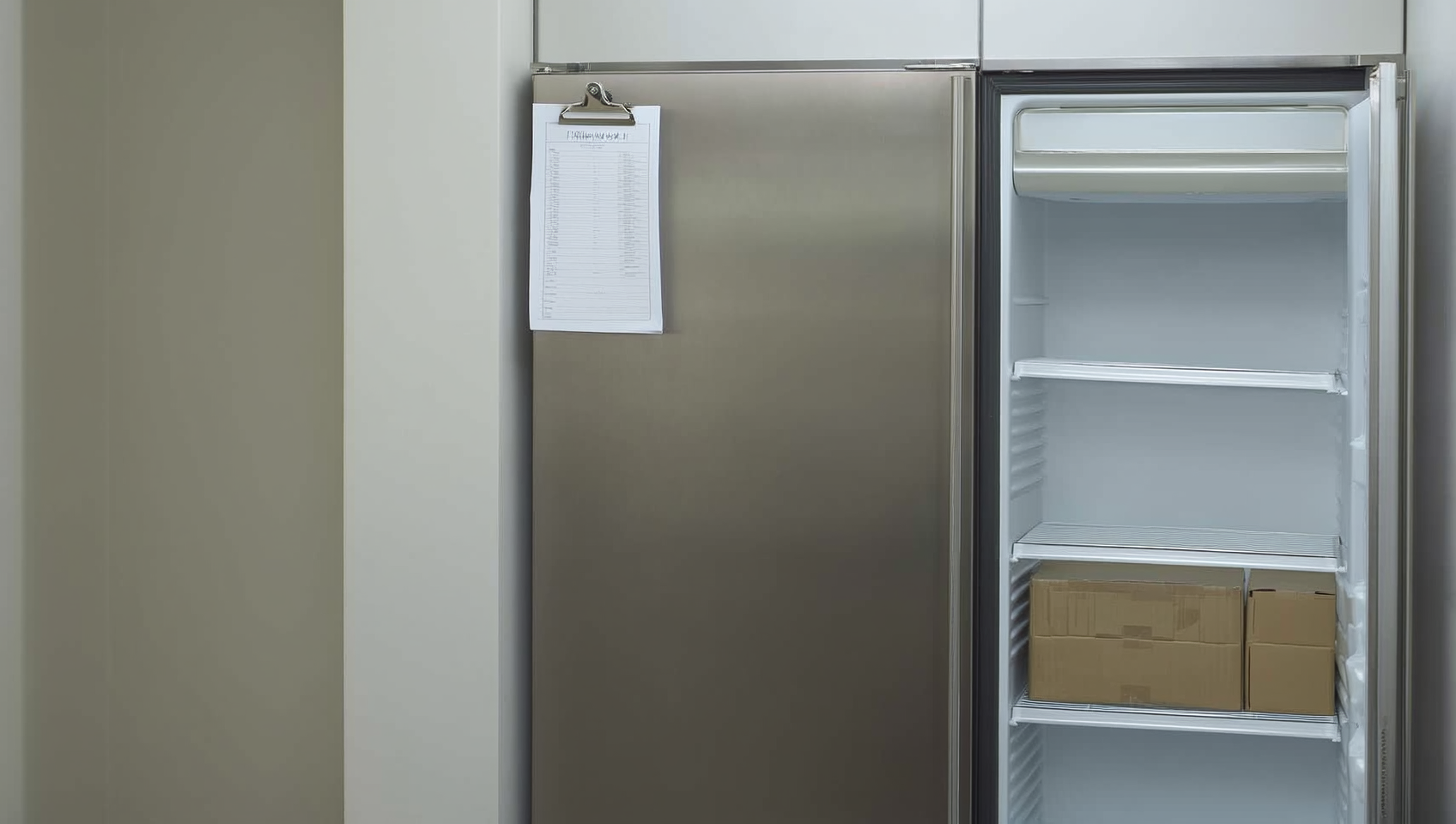
When margins are already tight, an equipment failure isn't a repair — it's a financing decision you make in a panic.
Buying a spot or running on aging gear? A walk-in freezer that dies in your first month can run $10,000 to replace — plus the inventory you lose and the compliance costs to reopen (Tagex Brands). On a fast-casual acquisition, equipment alone typically runs $80,000–$150,000.
Do this today: 1. Walk your line and rank every major unit by age and repair history — flag anything past its service life. 2. Open a contingency line in your budget for the one failure you can't predict. 3. If you're buying, finance pre-assessed equipment separately from goodwill — a 2026 convection oven holds value; an off-brand fryer doesn't.
Get smarter about your restaurant in 5 minutes
One email each morning, built for owners who read it between prep and open. Cost moves, labor rules, and the tools actually worth your money — no fluff, no jargon, no filler. Forward it to an operator who's still finding out about price hikes from the invoice.
So You Don't Miss a Beat
Operator Pulse
Where's the squeeze hitting you hardest right now?
Useful Today?
Who We Are
RestaurantOwners.news is The Restaurant Owners Desk — a daily brief that helps independent operators get smarter about running their restaurant in five minutes. Operator to operator, no fluff. We track costs, labor, tools, and the money decisions that hit your P&L, so you can spot the problem before it's an emergency.
RestaurantOwners.news is a marketplace, not a lender. Sponsor and vendor content is always labeled.