June 28, 2026
Alaska hits $14/hr Wednesday — and your food costs aren't done climbing
Wages, beef, delivery fees: three cost squeezes landing at once. Here's your move.
Morning, Chef — wages, food costs, and delivery fees are all moving against you at once this week.
Wholesale food sits 35% above pre-pandemic while only 27% of operators saw traffic rise this year. Here's what's on the pass: Alaska's wage floor hits $14/hr Wednesday and CA scheduling rules keep biting; food costs are climbing faster than you can reprice; third-party delivery is eating 30–40% of every order; and it's time for a mid-year financing checkup before a cost cycle forces the call.
Let's protect some margin.
Quick Bites
Stat: Wholesale food sits 35% above pre-pandemic (Feb 2020) — fats & oils +25.8%, coffee +8.8% yr/yr above May 2025 levels. (NRA Food Costs)
Labor: California runs $16.90/hr statewide and $20/hr for most fast-food under AB 1228 — audit every CA location's payroll setup now. (CA DIR)
Read: Casual dining and pizza are losing share in 2026, with millennials now the biggest dining-out spenders. (Bank of America)
Tool: Integrated scheduling + payroll can automate tip distribution and break deductions, cutting your compliance exposure. (7shifts)
Watch: FSMA traceability requirements are expanding to more restaurant operations in 2026 — check whether your items hit the food traceability list. (NRA)
Alaska hits $14 Wednesday — is your payroll ready?

July 1 wage changes don't wait — a payroll still running last month's rates after Wednesday's first punch triggers back-pay corrections you didn't plan for.
The DOL's state wage tracker shows the mid-year bumps landing now. Alaska moves to $14/hr on July 1; Connecticut already sits at $16.94/hr.
If you run shifts in a changing state, do this:
1. Load the new rates in payroll before the first July 1 shift clocks in — back-pay corrections cost more than the prep. 2. Recheck tip-credit math where it applies; a higher base can change your tip-credit ceiling. 3. CA operators: confirm SF and LA predictive-scheduling rules — advance-notice and predictability pay still bite even with no statewide law.
💡 Do this today: Pull the roster for every location in a wage-change state and confirm the new floor is loaded before Wednesday's first shift.
You can't out-price this food-cost run
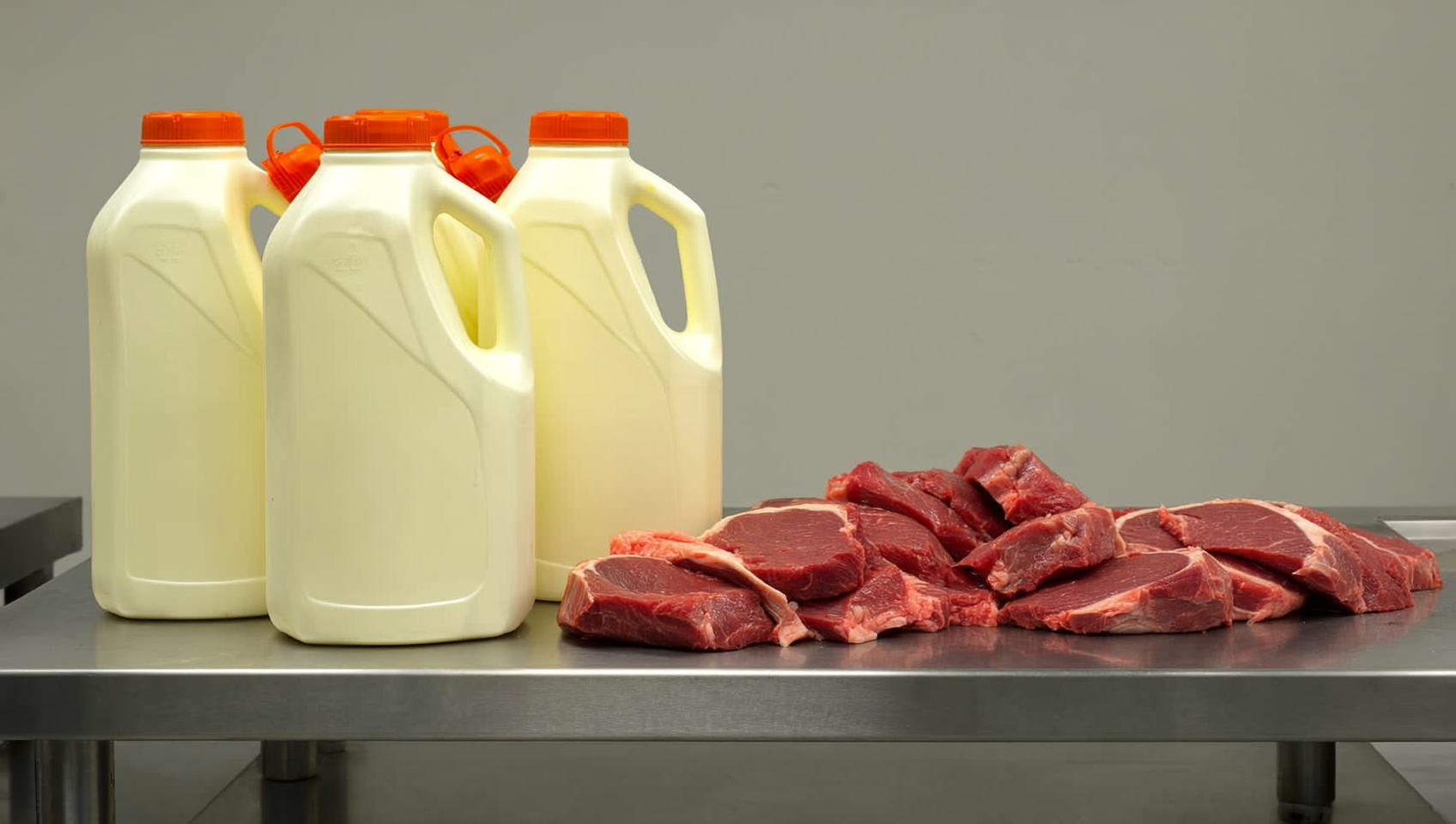
Your food costs are climbing faster than you can reprice.
USDA's new Food Price Outlook (June 25) shows the squeeze working from both ends:
- 🔴 Inputs still rising: beef/veal +12.9% yr/yr and food-away-from-home CPI +3.5% yr/yr (both May 2026). Wholesale food PPI sits 35% above its pre-pandemic (Feb 2020) level, with fats & oils and beef among the largest category gaps.
- 🔵 Repricing near its ceiling: Menu prices are up 4.2% yr/yr, but only 27% of operators saw traffic rise this year and 49% saw it fall. Push prices harder and you bleed covers.
You can't out-price this. Defend the plate: tighten yields, re-spec the two or three items carrying the most beef and oil, and renegotiate your top vendor line.
💡 Bottom line: Reprice the few items that move the needle, then hold the rest with portion and spec discipline.
Delivery apps are taking a third of every order
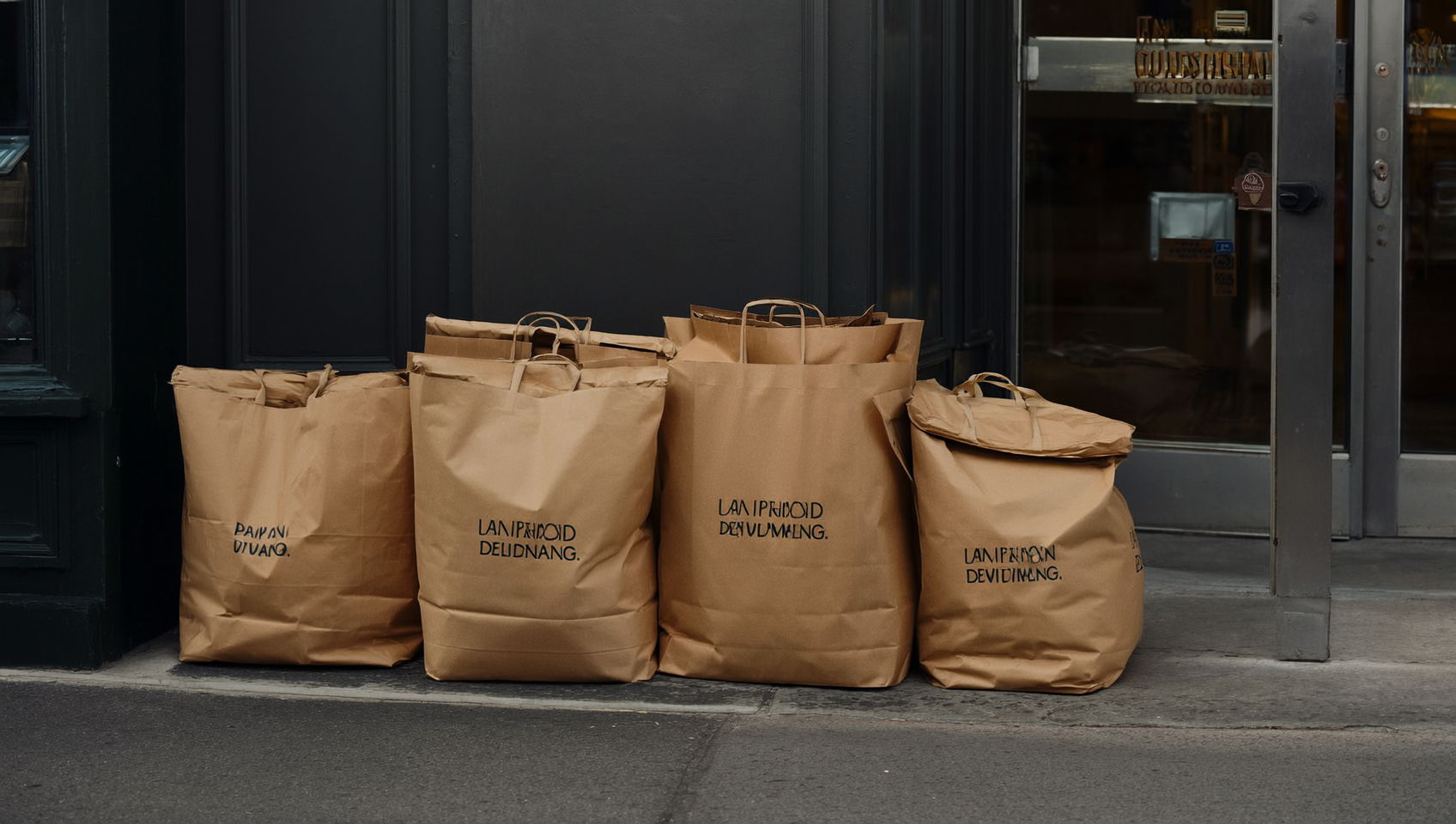
Every delivery order hands roughly a third of the ticket to the platform.
Per Rezku's 2026 fee breakdown, the all-in cost — commission plus payment processing — lands here:
| Platform | All-in cost per order | |---|---| | DoorDash | 30–40% | | Uber Eats | 30–40% | | Grubhub | 25–35% |
That's not a profit channel — it's paid customer acquisition. Price your delivery menu to cover the cut, then move repeat customers to your own ordering channel where you keep the full ticket.
💡 Steal this: Set delivery prices 15–20% above dine-in to offset commission, and drop a plain QR card in every bag pointing to your direct-order link.
Match the loan to the job before you need it
Mid-year is the right time to line up financing before a cost cycle forces your hand.
Match the loan to the use of funds — that's the whole game.
- 🔴 SBA 7(a): working capital, equipment, refinancing, even real estate. Per the SBA, it's the flexible workhorse when you need cash to cover several needs at once.
- 🔵 SBA 504: big-ticket fixed assets — real estate, a major buildout, heavy equipment. Better fit when you're financing one large, long-life asset. (Lendio's guide walks the split.)
For a single piece of kit, a straight equipment loan ($50K–$150K average ticket) lets the equipment serve as its own collateral — so a dying walk-in becomes a financing decision, not a cash emergency.
Pick this if: one large fixed asset → 504; mixed needs or working capital → 7(a).
Get the brief before your first prep list
RestaurantOwners.news lands every morning with the numbers that move your margin — food costs, wage changes, and the tools worth your money. Forward it to the operator who's still guessing. It's free, and it reads in under five minutes.
So You Don't Miss a Beat
State of the Restaurant Industry 2026 — NRA projects $1.55T in sales and just 1.3% real (inflation-adjusted) growth as cost pressures persist.
Same-store sales vs. traffic — 48% of operators saw higher sales this year, but only 27% saw more customers.
June sales trended up — Same-store sales rose ~2% yr/yr in June, biggest gain since January — but forecasters see Q4 softening ahead.
2026 food price forecast — Category moves to run against your next costing session: coffee ~+9%, finfish ~+6%, soft drinks ~+5% (2026 vs. 2025, vendor-sourced; cross-check your invoices).
What's changed in food safety — FSMA traceability requirements are reaching more restaurant operations in 2026.
California wage-and-hour pitfalls — Five scheduling traps for CA operators even without a statewide predictive-scheduling law.
Restaurant equipment loans — How equipment financing works when a key piece of kit dies mid-cycle.
Operator Pulse
Where's the biggest squeeze on your P&L right now?
Useful Today?
Who We Are
RestaurantOwners.news is the morning brief for independent restaurant operators — the cost moves, wage rules, and tools that actually hit your P&L, written operator-to-operator. We cut the noise so you can get back on the line, and we cite the numbers so you don't have to take our word for it.
RestaurantOwners.news is a marketplace, not a lender. Sponsor and vendor content is always labeled.