June 22, 2026
Wages up. Beef up. SBA harder. Here's your plan.
Michigan sets a new wage floor, beef hits +3.1% YoY, and SBA loans just got tougher.
Three forces are hitting one payroll this month: a higher Michigan wage floor, new scheduling penalties, and a delivery bill that still eats ~30 cents on every dollar. 56% of consumers ate out last week — the fight isn't foot traffic, it's margin. Let's protect the dollars.
Quick Bites
Steal this: Pull your last 30 days of third-party orders and recost them at 3% direct processing — that gap is your direct-ordering budget.
Stat: Same-store sales rose 1.6% in February while traffic fell 2.0% — you're serving fewer guests for more dollars.
Labor: Michigan's minimum jumps to $13.73 on Jan 1 (tipped at 42%), then $15.00 in 2027 — model the bump now.
Tool: A scheduling app that locks shifts 14 days out beats paying predictability penalties where those laws apply.
Tactic: Beef is up 3.1% YoY while eggs and dairy soften — reprice the burger, hold the omelet.
Michigan's $13.73 Wage Floor and 14-Day Scheduling Deadlines Both Land in January
Michigan's minimum wage rises to $13.73 on January 1. Predictive scheduling rules in a growing list of cities now require posting schedules 14 days out — miss either and it costs you.
Why it hits your P&L:
- Wage floor. $13.73 Jan 1, $15.00 in 2027, tipped wages pinned at 42% — every scheduled hour costs more.
- Predictability pay. Change a posted shift late and some jurisdictions make you pay a penalty on top of wages.
- Coverage creep. Thresholds run from 10 to 500 employees by jurisdiction — you may be covered without realizing it.
💡 Why it matters: Your two biggest controllable levers — wage rate and hours — are both getting new rules at once. Build the January schedule against the new floor and the posting deadline before it's an emergency.
Bottom line: Lock your January labor model and your posting calendar this month, not in December.
Beef Is Up 3.1% — Tilt Your Specials to Eggs and Dairy While Prices Are Soft
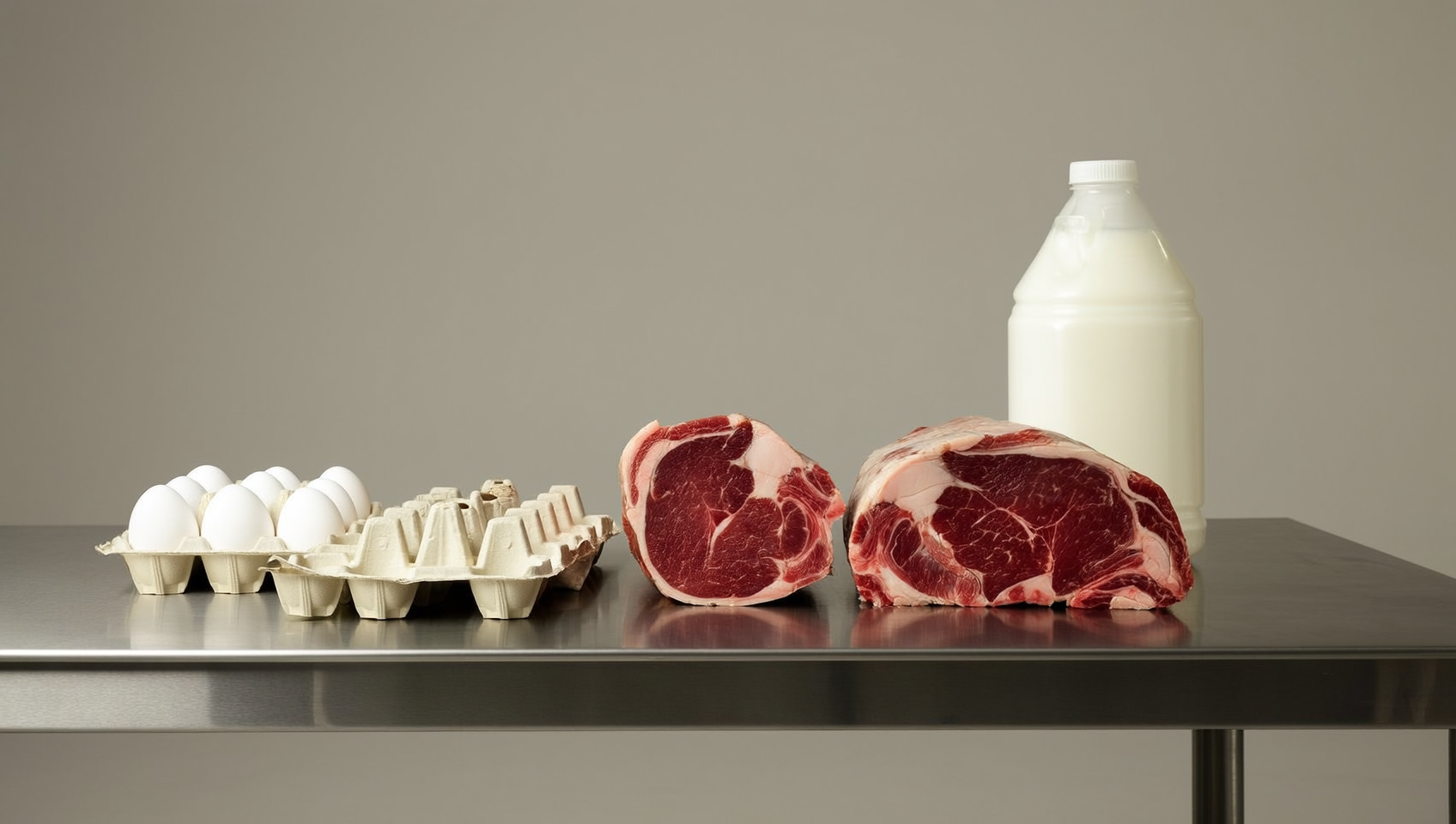
USDA's May outlook puts beef and veal up 3.1% year over year. Eggs, dairy, and fats are projected to fall through 2026 — but tariffs and short distribution crews keep deliveries unpredictable.
🔴 Up: beef and veal +3.1% YoY; tariffs and distributor labor gaps add delivery risk. 🔵 Down: eggs, dairy, and fats projected to decline through 2026.
Why it hits your P&L:
- Center-plate cost. Beef-heavy menus carry the increase straight to your food line.
- Supply risk. Tariffs and short distribution crews mean late or partial deliveries — line up a backup vendor.
- Menu mix. Softer egg and dairy prices make breakfast and baked items your margin friends right now.
💡 Why it matters: Beef hits your food line directly — there's no hiding it. But eggs and dairy are softening, and that's a real margin window on breakfast and baked items. Use it before the window closes.
Your move: Reprice your beef items and tilt specials toward eggs and dairy while they're cheap.
Delivery Commissions Still Run ~30% — Redirecting One in Five Orders to Direct Changes the Math
DoorDash, Uber Eats, and Grubhub commissions still run ~30% per order. Ordering direct costs roughly 3% in processing.
🔴 Third-party: ~30% commission per order — and the platform owns the customer. 🔵 Direct: ~3% processing — and the guest is yours to bring back.
Why it hits your P&L:
- Commission drag. On a $40 order, ~30% is ~$12 gone before food cost.
- Data ownership. Direct orders give you the email and the repeat visit.
- Channel mix. Shift even one in five third-party orders to direct and the savings compound.
💡 Why it matters: Delivery demand is real, but the channel you fill it through decides your margin. This is a good week to check your direct-ordering funnel.
Protect your margin: Add up your monthly third-party commission, then spend a fraction of it driving guests to order direct.
SBA Loans Are Harder to Get Right Now — A Working Capital Advance Can Bridge the Gap

New SBA eligibility requirements are disqualifying applications from restaurants, construction, and health care, with a Congressional reversal still pending as of March 2026.
🔴 SBA loan: lower cost, longer terms — but slower, and now harder to qualify under the new rules. 🔵 Working capital advance: faster to fund, bridges buildout or equipment, and can stack on top of an SBA loan.
Why it hits your P&L:
- Timing. If a walk-in or buildout can't wait for a stalled SBA file, a shorter-term advance bridges the gap.
- Cost. SBA money is usually cheaper — worth the wait when the need isn't urgent.
- Stacking. A working capital advance can sit alongside an SBA loan, not replace it.
💡 Why it matters: The right tool depends on the clock. Match urgent, short-term needs to faster capital and patient, larger projects to SBA — and model the payment first either way.
Model the payment first: SBA for the patient, larger project; working capital for what can't wait.
Presented By
Presented By RestaurantOwners.news. Know a fellow operator drowning in delivery fees and new scheduling rules? Forward them this edition — five minutes a morning beats learning it the hard way. They can subscribe free and read the same brief before the lunch rush.
So You Don't Miss a Beat
- USDA Food Price Outlook — where beef, eggs, and dairy are headed in 2026.
- Third-Party Delivery Fees in 2026 — what DoorDash, Uber Eats, and Grubhub really cost.
- Michigan Minimum Wage — the 2026 and 2027 numbers, plus tipped rate.
- Predictive Scheduling Laws 2026 Map — who's covered and at what employee count.
- City-by-City Scheduling Guide — 14-day posting and predictability pay rules.
- New SBA Policy Threat — the rule disqualifying restaurant loans.
- Restaurant Supply Chain News — tariffs and distribution labor compounding in 2026.
- 15% of Restaurants Could Close in 2026 — who's at risk and who's resilient.
Operator Pulse
What's squeezing your margin hardest right now?
Useful Today?
Who We Are
RestaurantOwners.news is the five-minute morning brief for independent restaurant operators. We turn costs, labor, tech, and money news into moves you can make before the lunch rush. Written by operators, for operators.
RestaurantOwners.news is a marketplace, not a lender. Sponsor and vendor content is always labeled.