June 21, 2026
Beef hit $12.73/lb — protect your center-of-plate
Plus: 2026 overtime traps, the FTC's delivery-fee crackdown, and how to fund a summer fix.
Beef just punched through $12.73/lb — up 16% in a month — and McCormick & Schmick is closing 80 locations because of it. The pressure is real, but it's manageable if you move first. On today's pass: new overtime math, the FTC's delivery-fee crackdown, and how to price your next equipment payment before it prices you. Five minutes — let's protect your margin.
Quick Bites
Steal this: Re-cost your top five beef dishes this week and reprice or swap anything now sitting under a 65% gross margin.
Stat: Food away from home is up 3.5% year over year — make sure your menu prices haven't quietly fallen behind.
Labor: New 2026 overtime thresholds mean some "salaried" managers are now owed OT — check classifications before payroll runs.
Tool: The FTC's new junk-fee rule forces delivery apps to show all-in pricing — good week to audit your in-app menu markups.
Tactic: A working-capital line beats maxing a card for seasonal gaps — model the payment before summer slows down.
New overtime math could turn your salaried managers into an OT liability

2026 raised the salary threshold for overtime-exempt staff, and Fair Workweek rules keep spreading — both land straight on your payroll.
Here's the trap: if you pay a "salaried" manager a flat number that now sits below the updated exempt threshold, that person may be owed overtime for every hour past 40 — whether you scheduled it or not. Payroll runs every two weeks. One misclassified manager at 50-hour weeks is a recurring cost — until it becomes a back-pay claim.
Why it hits your P&L:
- Reclassification. A manager paid under the new threshold can flip from fixed cost to hourly OT cost overnight — the 2026 overtime guide shows where the lines fell.
- Scheduling penalties. Fair Workweek laws — Berkeley, NYC's 72-hour notice rule, Chicago, and more — fine you for last-minute schedule changes and clopening.
- Back pay risk. Misclassification doesn't just cost the next check; it can mean owed wages stretching months back, plus penalties.
Bottom line: Audit every salaried role under the new threshold this week, and lock schedules early where notice laws apply.
Beef at $12.73/lb is closing steakhouses — protect your center-of-plate
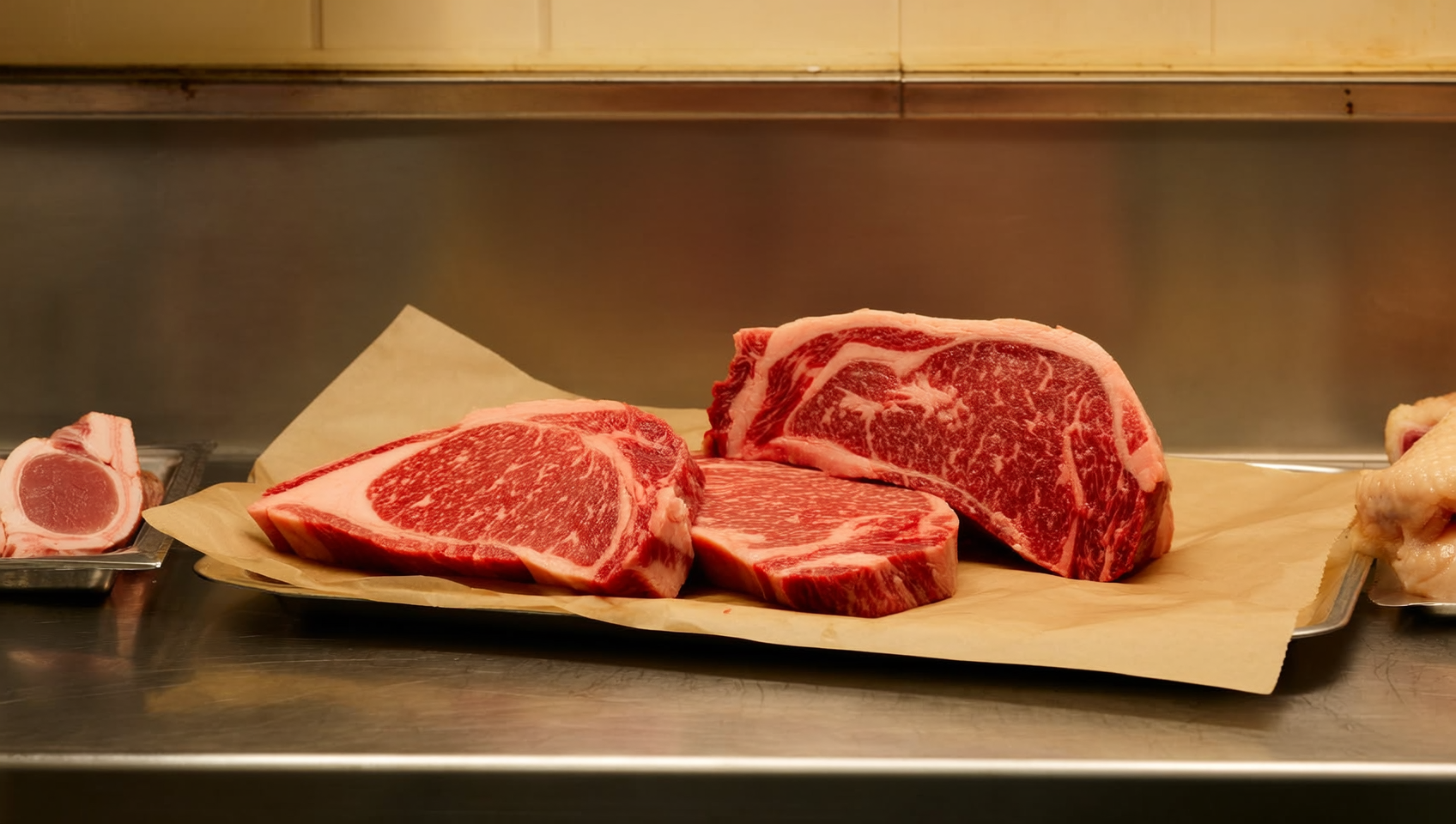
Beef jumped to $12.73 a pound, up 16% in a month, and even McCormick & Schmick is closing 80 locations to survive it.
When a national steakhouse chain folds 80 rooms over protein costs, the message for independents is blunt: the center-of-plate math has changed. You don't have to eat this — trim a portion by an ounce, push a high-margin chicken or pork special, or reprice now before the loss compounds.
Why it hits your P&L:
- Center-of-plate. At $12.73/lb (+16%), every beef entrée lost margin overnight — the closures show how fast that compounds at scale.
- Broad inflation. BLS data puts food away from home up 3.5% year over year and all food up 3.1% — this isn't only beef.
- Dairy squeeze. The NRA reports tight milk and cheese supplies, so your cream and cheese costs are climbing alongside protein.
Bottom line: Reprice or re-engineer your three biggest beef items this week; waiting just moves the loss to next month.
The FTC's new delivery-fee rule could reset your all-in menu pricing
On April 16, 2026, the FTC issued a rule targeting unfair and deceptive fees in online food delivery — apps now have to show guests the real all-in price up front.
For years the apps buried service, delivery, and small-order fees until checkout. That cover is gone. The all-in number a guest sees is now fully exposed — including the menu markup you set for delivery.
Why it hits your P&L:
- Price transparency. The FTC rule puts your in-app menu markup and the app's fees out in the open at first glance.
- Channel mix. When the all-in app total looks steep next to your direct-order price, more guests choose direct — watch your channel mix move.
- Your funnel. Clear fee disclosure hands you a cleaner pitch to steer guests into your own ordering channel, where you keep the margin.
Bottom line: Good week to check your direct-ordering funnel and make sure your own all-in price beats the app's.
Three ways to fund a summer fix — model the payment first
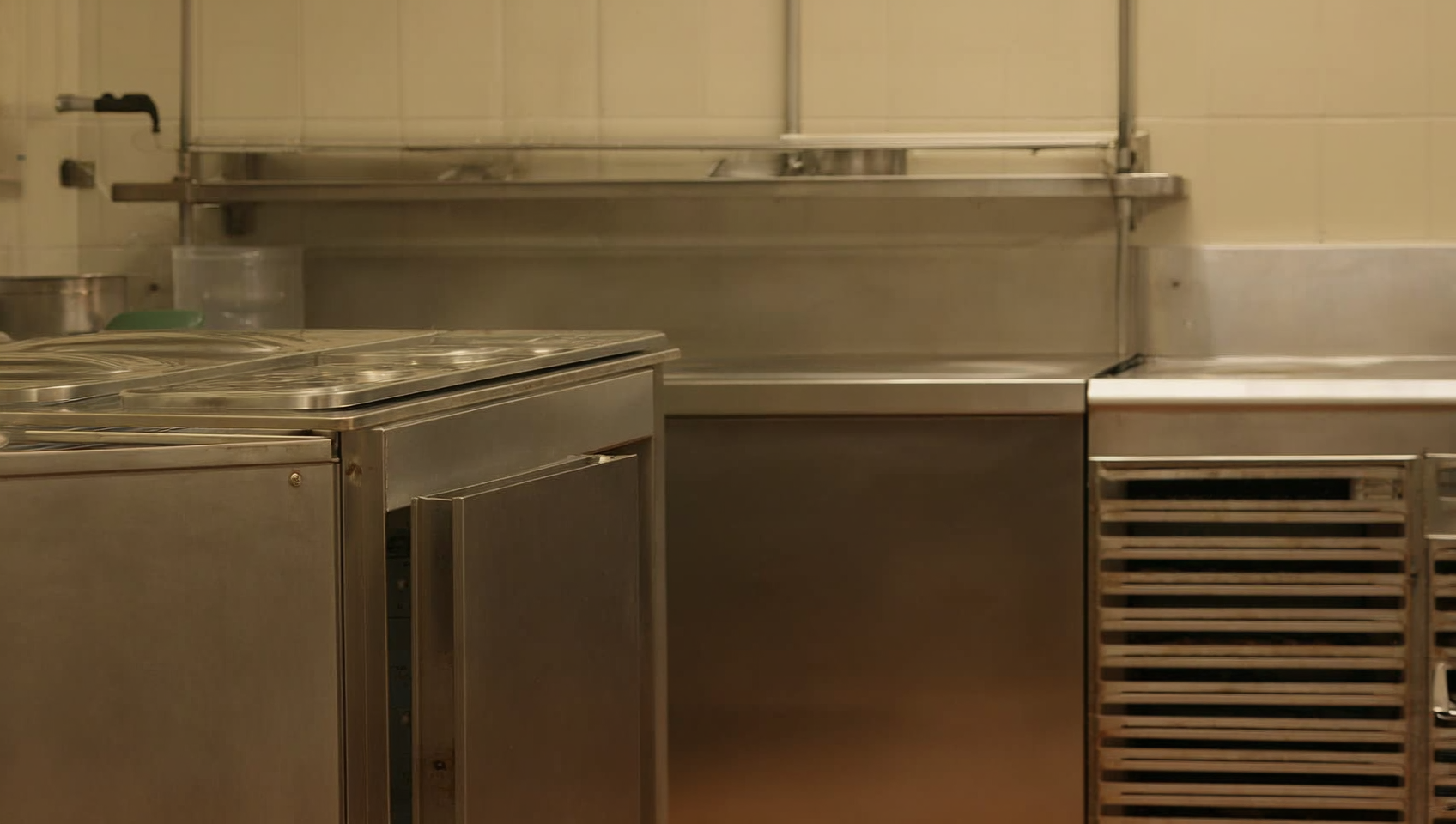
A broken walk-in or a slow July doesn't have to wreck your cash flow — but the wrong financing can.
A broken walk-in can become a financing decision in a single afternoon. Know which tool fits before the emergency, or you'll borrow on the vendor's terms — not yours.
Three tools, three jobs. Match the money to the need before you sign:
- 🔴 Equipment financing — for a specific machine. The equipment financing guide explains how the gear itself often acts as collateral, so a defined purchase can move faster through approval.
- 🔵 SBA 7(a) loan — for bigger, longer-term moves. SBA 7(a) tends to carry longer terms and lower monthly payments, but expect more paperwork and a slower close.
- 🟡 Working capital loan — for seasonal gaps. Working-capital financing covers payroll and rent through a slow stretch, but shorter terms usually mean higher payments.
Bottom line: Model the monthly payment against your slowest week's cash. If it doesn't clear comfortably, choose a longer term, not a bigger risk.
Presented By
RestaurantOwners.news is reader-supported. Want to reach 40,000+ independent operators? Partner with us.
So You Don't Miss a Beat
- Texas mobile food vendors face new licensing rules July 1 — about 10 days out for trucks and carts.
- James Beard 2026 Independent Restaurant Industry Report — the clearest read on where independents stand.
- NRA: only 27% of operators saw traffic rise in May — down from 31%, so watch your covers.
- Black Box Intelligence: up to 15% of restaurants could close in 2026 — know the cash-flow warning signs early.
- NRA on rising food costs and tight supplies — the full picture beyond beef.
- BLS Consumer Price Index, May 2026 — track where food inflation is heading.
- SBA 7(a) loan program — bookmark it before you need the capital.
Operator Pulse
What's squeezing your margins most right now?
Useful Today?
Who We Are
RestaurantOwners.news is the daily brief for independent operators — written by The Restaurant Owners Desk to help you get smarter about running your restaurant in five minutes. Operator to operator: no fluff, no hype, just what hits your P&L.
RestaurantOwners.news is a marketplace, not a lender. Sponsor and vendor content is always labeled.