Why fast-casual operators are pulling back on third-party delivery
Commission rates haven't moved. Unit economics at volume haven't improved. The math is forcing the conversation.
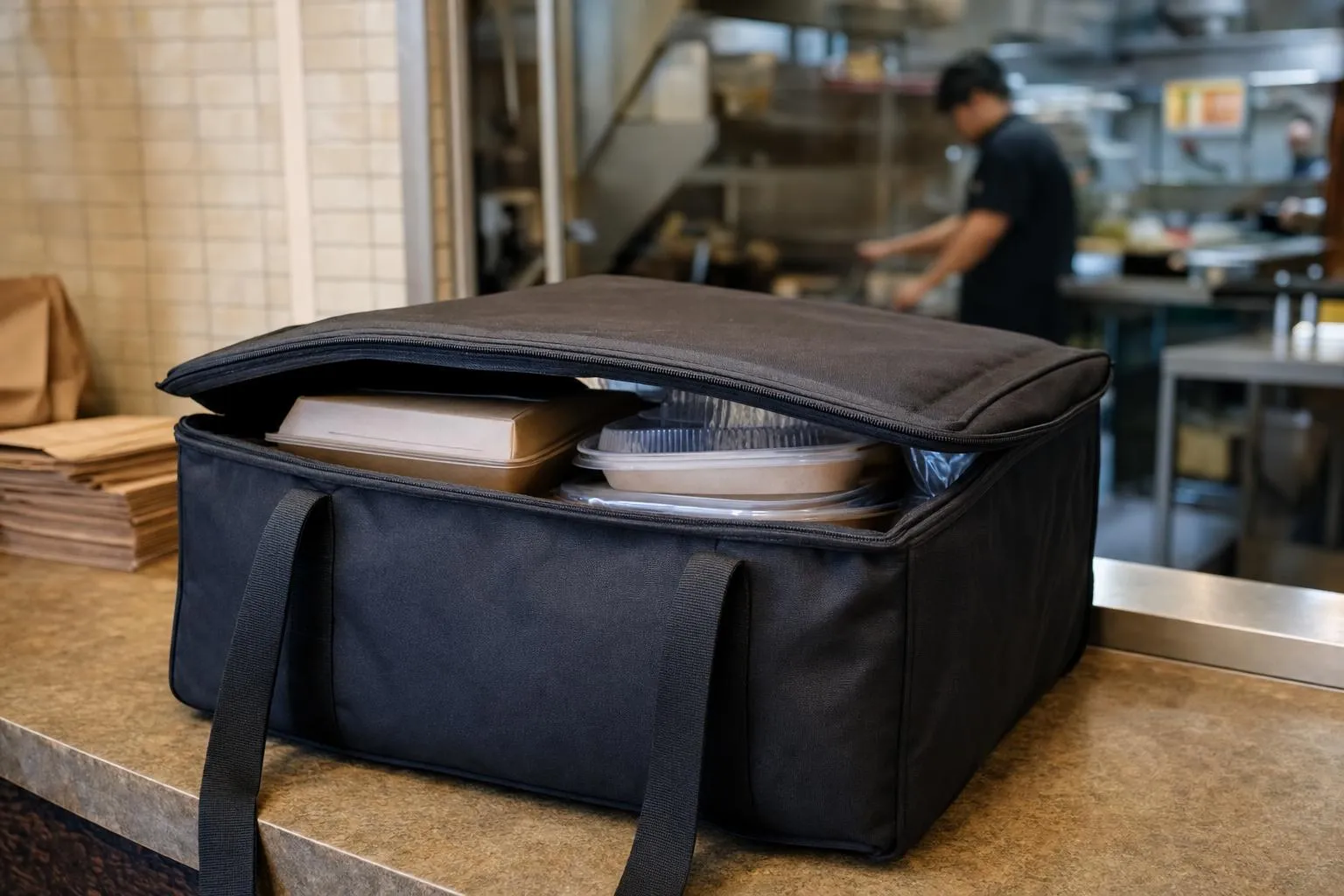
Third-party delivery platforms — DoorDash, Uber Eats, Grubhub — capture 25–35% of the order value in commissions and fees before the operator sees a dollar. At a food cost of 30% and a labor cost of 32%, there is simply not enough margin in the income statement to support a 30% platform cut on a significant portion of revenue. Fast-casual operators who chased delivery volume in 2021–2023 are working through what several of them are now calling the delivery hangover.
The pullback is showing up in operator behavior: several mid-size fast-casual chains have reduced their delivery platform presence in 2025, either by cutting to a single platform, raising delivery-only menu prices to offset commissions, or in some cases turning off delivery entirely during peak dine-in hours when the opportunity cost of kitchen capacity is highest.
The unit economics that force the decision
The math on a $20 average check at a 30% commission rate: the platform takes $6 before the operator touches the order. At 30% food cost, food on that order cost $6. At 32% labor cost, the kitchen and counter labor allocated to that order is $6.40. That leaves $1.60 for occupancy, overhead, and any remaining margin — before considering packaging, a delivery error rate, and the incremental cost of managing the digital channel.
Operators who built delivery into their growth story often modeled it at higher average checks than in-store. The correction: delivery average checks run 15–20% higher than dine-in at most concepts, but the platform fee scales with the check. A $24 delivery order at 28% commission leaves $17.28 for the operator — better in absolute dollars but the commission math doesn’t improve.
The delivery platforms sold us on incremental revenue. It’s incremental revenue at margins that make no sense at scale. We’re walking it back.
The operators who are making delivery work financially fall into two categories: those charging a meaningful delivery-menu price premium (10–15% above in-store prices) to recapture commission cost, and those treating delivery as a strict off-peak capacity utilization tool — only turning it on when the kitchen has excess capacity that would otherwise go idle.
What first-party delivery costs to build
The alternative to platforms — building owned delivery capability — has its own cost structure. A dedicated delivery driver at $18–$22/hr, insurance implications, vehicle management, and the technology to run a first-party ordering flow (usually $100–$250/month for a direct-order platform) add up to a fixed cost base that only pencils for operators with consistent delivery volume.
The most viable model for most independent operators is a hybrid: maintain a reduced presence on one aggregator platform for customer acquisition, but aggressively direct repeat customers to a first-party ordering channel. The typical finding is that repeat delivery customers convert to direct ordering at higher rates than operators expect when given the right incentive — a 5–10% discount on direct orders is usually enough.
The 2026 platform pricing question
DoorDash and Uber Eats have both indicated they will not reduce commission structures in the near term. Both companies are under investor pressure to improve profitability, which makes operator-favorable rate moves structurally unlikely. The operators planning their 2026 delivery strategy should assume commission rates stay flat or trend upward, not down.
The regulatory environment is a separate wildcard. Several states and cities have enacted or are considering permanent commission caps following the temporary caps passed during the pandemic. New York City’s permanent 15% cap is the most significant in force; Chicago’s 15% cap expired. Operators in capped markets have meaningfully better delivery unit economics — but those markets are exceptions, not the rule.