Beef prices hit 18-month high; chicken and pork ease
Tight cattle inventory is the driver. Operators relying on beef-heavy menus are facing a structural problem, not a seasonal blip.
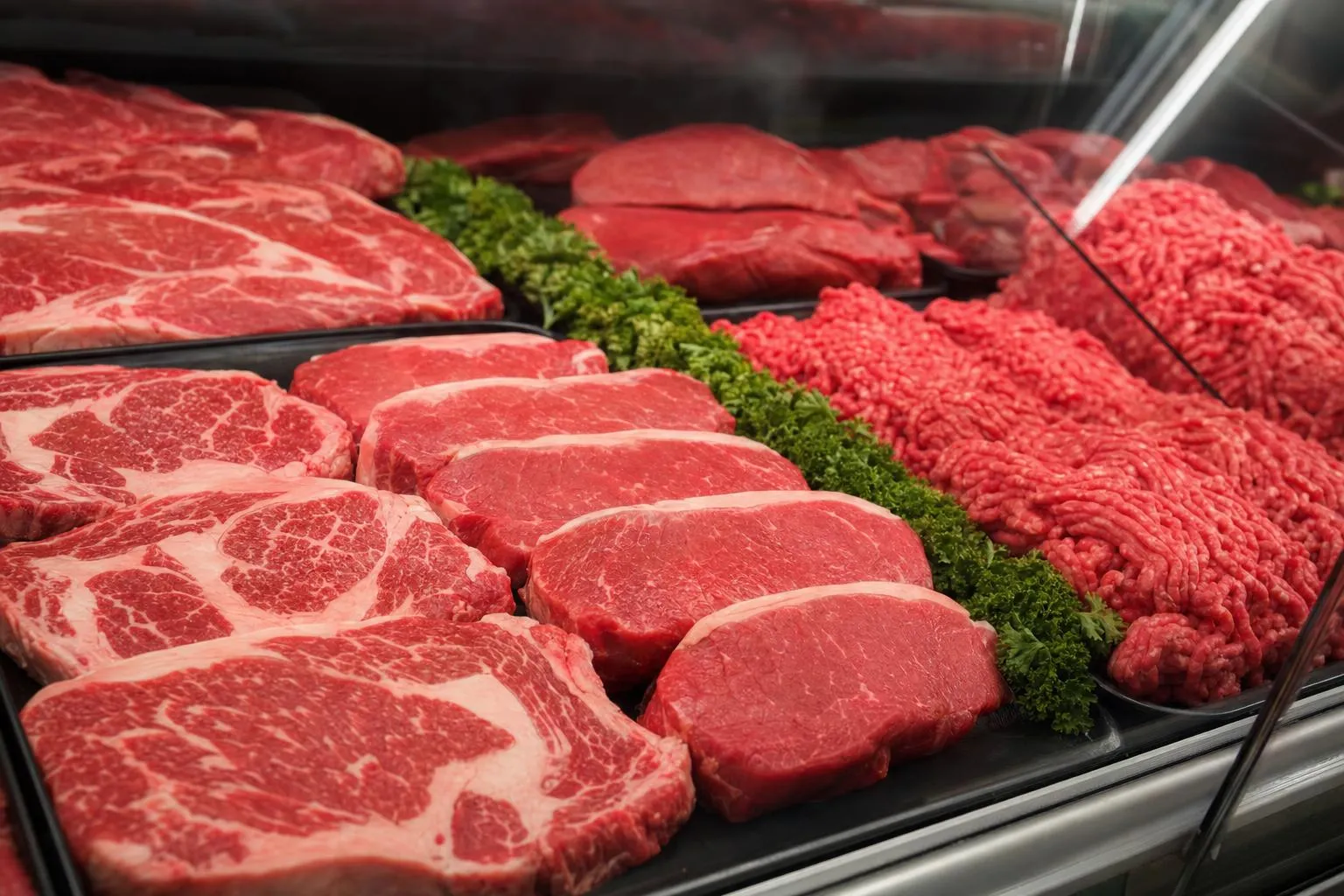
Wholesale beef prices reached an 18-month high in October 2025, with USDA-graded choice beef averaging $3.42 per pound at the wholesale level — up 14% from October 2024 and 22% from the pre-tightening baseline of early 2023. The driver is supply: U.S. cattle inventory at the start of 2025 was the smallest since 1951, according to USDA’s January inventory report, and the herd has not yet begun to rebuild meaningfully.
The divergence between beef and other proteins is the story operators need to plan around. Chicken broiler prices are averaging $1.28 per pound wholesale, down 6% year-over-year. Pork loin is at $1.54 per pound, down 4%. The spread between chicken and beef is now at its widest point since 2014, which creates an unusual menu-engineering opportunity — if your concept supports it.
Why beef prices will stay elevated through 2026
Cattle inventory recovery is slow. A beef cow takes 18–24 months from breeding to market-weight calf, and producers do not expand herds during periods of drought stress and compressed margins. The drought conditions in the Southern Plains that accelerated herd liquidation in 2022–2023 have improved, but the lag between favorable conditions and expanded supply is measured in years, not months.
USDA’s biannual Cattle Inventory report, released in January and July, is the leading indicator to watch. As of the July 2025 report, beef cow replacement heifers — the clearest signal of herd expansion intent — were running 3.1% below year-ago levels. That number would need to turn positive and sustain for 12+ months before the supply pipeline builds meaningfully.
Operators who are planning around beef returning to 2023 wholesale levels by mid-2026 are planning against an unlikely scenario. The more defensible assumption is that beef remains at or above current levels through at least Q2 2026, with any meaningful relief coming in 2027 at the earliest.
What operators with beef-heavy menus are doing
The realistic responses are not complicated, but they require deliberate execution.
Full-price increases on beef items are the most direct option and the one most operators are reaching for. Restaurant-level beef price increases of 8–12% have generally not generated significant traffic loss in tracked data through Q3 2025, particularly at full-service concepts where the beef item is a center-of-plate premium purchase. The customer who orders a ribeye at a steakhouse is less price-elastic than the fast-casual customer choosing a protein bowl.
The second response is portion and cut adjustment. Moving from 10-oz to 8-oz on a beef entrée, or substituting a braised shoulder cut for a grilled loin cut on a menu item, reduces the commodity exposure while maintaining the dish identity with the right technique. Several independent steakhouse operators are adding flat iron and bavette cuts to their menus — comparable eating experience at 30–40% lower input cost — rather than absorbing the ribeye markup.
The third response is the hardest: reduce beef’s share of the menu through new item development in chicken and pork. For concepts where beef is the brand — a burger restaurant, a traditional steakhouse — this is not a real option. For more flexible concepts, it is the most durable margin play.